

Your new website, over which you’ve slaved for months, is launching. And you’ve crafted the ultimate press release – as high quality and well-constructed as the subject matter – to make the announcement. Yes, you’re proud of your “baby” and want the world to know (heck, not just KNOW, you want them to visit, too. Repeatedly.) But how quickly does “website of the year launches” become old news?
According to a WiseGeek, evergreen content refers to informational or reference material that never goes out of date, therefore desirable to websites looking to build a lasting readership. Just like a crunchy, shriveled oak leaf, your website story, while once certainly newsworthy, is so not evergreen.
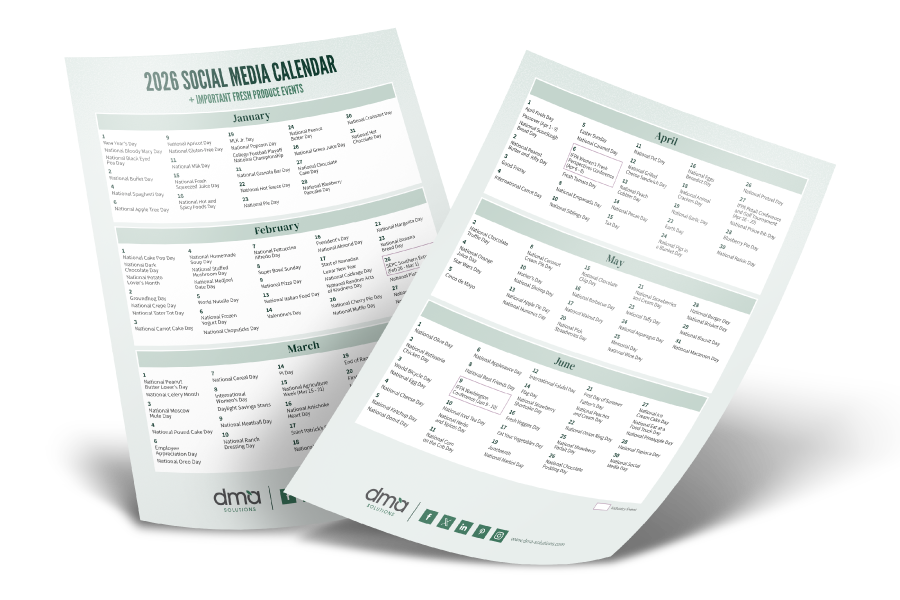
Marketing, with all its techno-tactics is ever-changing, but connection and story sharing are timeless. A significant amount of fresh produce website and blog content can be considered evergreen. Sure there are new varieties and news that splashes and fades, but recipes, tips, farm stories, etc. are all worth re-sharing, which fits the very definition of evergreen.
Not to say that evergreen content should be posted and left, as is, for the long haul. Occasional tweaks or information updates will keep the content relevant and re-promotable when the time is right. Take, for example, the other two stories in this edition of The Core. You may or may not recognize The Perfect Tailgating Menu and The Salad Bowl, but these two previously posted articles, with their football focus, have been perfectly re-purposed to fit this edition.
In this, the “Information Age,” it’s important to be a resource for information seekers. So, as you’re dreaming up web copy or pontificating on your next blog post, realize the potential long-term benefits that your words may have and strive to make them evergreen!
Posted by The Health Nut (Brock Nemecek)