

Create Recipe Content That Sells 💰
In a scroll-happy world full of viral food videos and endless recipe hacks, it takes more than just a pretty plate to move the needle – especially when you’re trying to sell fresh produce. Today’s consumers want more than inspiration. They want confidence, convenience, and a reason to add those fruits and veggies to their carts. Whether you’re a brand, grower, or content creator, the right recipe content can do more than drive engagement…it can drive actual sales. In this post, we’re breaking down how to create craveable, seasonal, and benefit-driven recipe content that not only looks good but gets your produce off the shelf and onto the plate.
1. Start With What’s in Season
Seasonal produce is not only more flavorful and affordable, it’s also more marketable. When you base your recipe content on what’s currently in season, you naturally align with what consumers are seeing at their local grocery stores or farmers markets. This makes your content feel more relevant. For example, a summer post featuring grilled corn or watermelon in a salad taps into what shoppers are already craving and buying, while a winter post using roasted root vegetables meets seasonal demand.
Plus, seasonal content opens up storytelling opportunities. You can tie your recipe to events like summer BBQs, cozy fall dinners, or spring brunches. Mentioning the peak flavor and freshness of produce in-season also builds a sense of urgency which encourages people to buy it now while it lasts.
2. The Power of Visual Appeal / Aesthetics
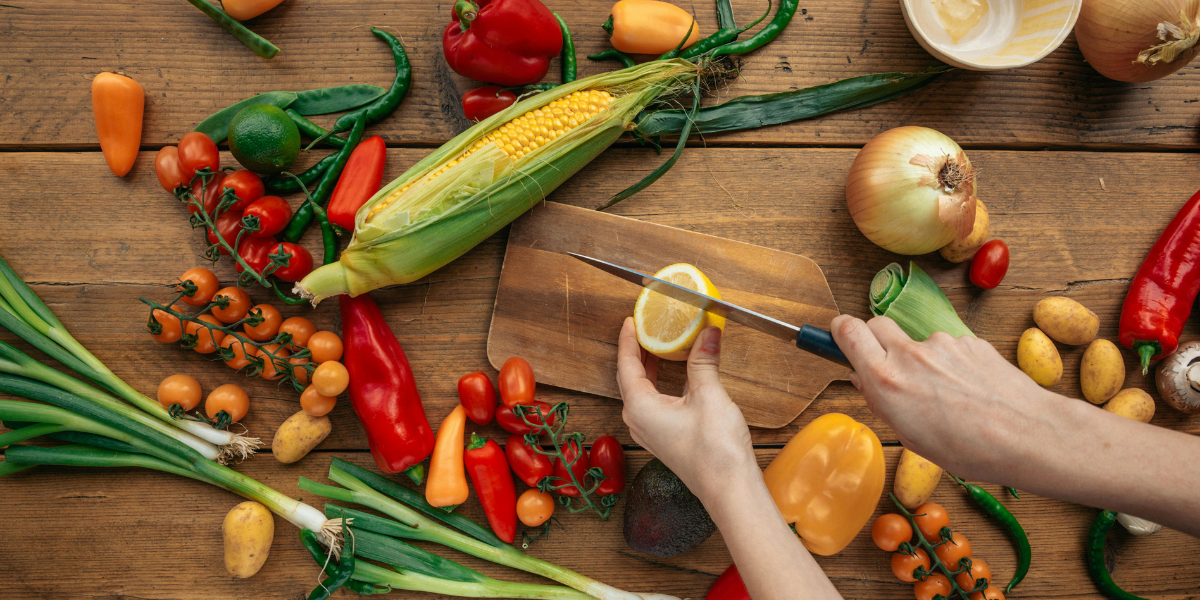
When it comes to recipe content, visuals are the hook. High-quality, visually appealing content is often the deciding factor in whether someone saves a recipe, clicks through to learn more, or makes a mental note to pick up those ingredients on their next grocery run. Bright, colorful shots highlight the natural beauty of fresh produce and can instantly elevate your content. Think vibrant strawberries glistening with juice, a pile of freshly chopped herbs, or steam rising off roasted sweet potatoes. Use natural lighting, uncluttered backgrounds, and close-up shots to let the produce take center stage. Consistency in style also builds brand recognition. Your aesthetic should reflect your audience and the story you’re telling.
Video is just as important, especially for platforms like Instagram Reels, TikTok, or Pinterest. Quick, visually satisfying clips like peeling a mango, slicing a tomato, or drizzling olive oil over roasted veggies showcase freshness in action. Add motion, texture, and color wherever possible to evoke appetite appeal.
At the end of the day, your visuals should do more than look good – they should make someone hungry. A scroll-stopping image or a satisfying 10-second clip can be the nudge a customer needs to try that recipe and buy that produce.
3. Versatility, But Also Simplicity
One of the biggest selling points of fresh produce is how easily it fits into a variety of meals. Your recipe content should reflect that! Highlighting the versatility of fruits and vegetables helps consumers see more value in their purchase. For example, one bunch of kale isn’t just for salad – it can be blended into smoothies, sautéed with garlic, tossed into pasta, or baked into chips. When you show multiple ways to use the same ingredient, you help stretch your audience’s dollar and reduce their fear of food waste.
Equally important is simplicity. People are busy, and overly complex recipes can be intimidating or overlooked. Instead, focus on easy-to-follow dishes that require minimal steps, tools, or prep time. Think one-pan meals, five-ingredient snacks, or “throw it all in a bowl” salads. Simplicity builds confidence in the kitchen and increases the likelihood that someone will actually buy and use fresh produce.
A great messaging tactic is to reinforce these two categories: Fresh produce is easy to cook with, and worth bringing home again and again.
Creating recipe content that sells fresh produce is all about meeting your audience where they are – hungry for inspiration, short on time, and eager to eat well. By focusing on seasonality, visual appeal, simplicity, and practical value, you can craft content that not only looks delicious but drives real action.
If you’d like more ideas to help you reach consumers and capitalize on current trends, download our FREE Social Media Calendar today!